
What is nature journalling?
You are probably reading this because you are interested in trying nature journaling, and are maybe planning to join me with my nature journaling group (you can find out more about that here!). At it’s most basic, this is about recording things about nature in a journal, but I would like to help you to understand what this might look like.
Who can take part?
Anyone can start a nature journal. You don’t need to be an artist or a scientist. If you haven’t drawn a picture since you were a child, that’s okay! You don’t need to be a botanist, or a herbalist, or have any knowledge of the natural world at all. You only need a healthy curiosity and an interest in learning more about the world.
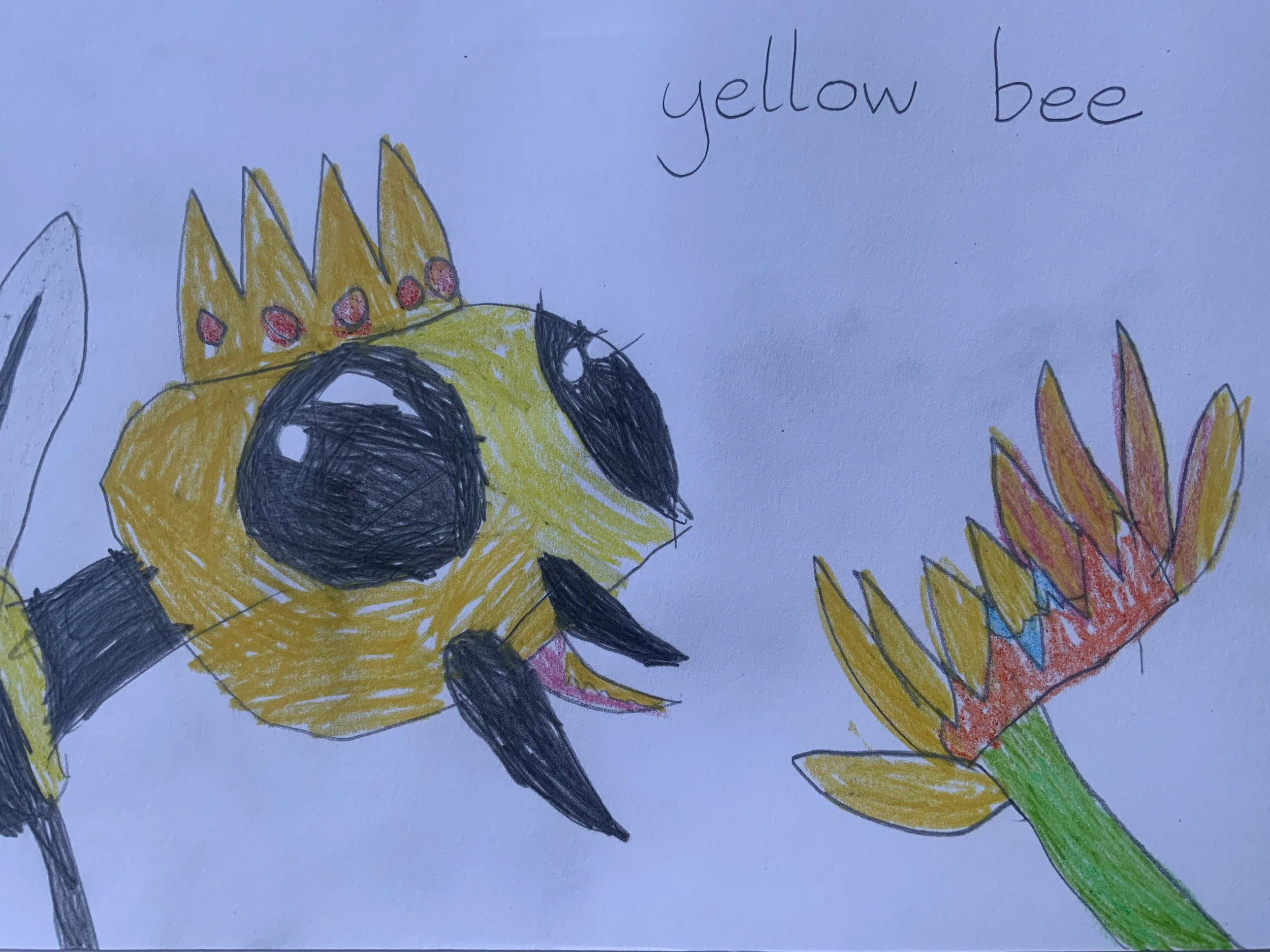
You don’t have to be any particular age either. Even quite young children can start a nature journal, and there is no age limit. In fact, I have found nature journaling together to be a wonderful way to spend time with my children when they were small. The Victorian educator Charlotte Mason, whose ideas are still used by many educators today, actively encouraged nature journaling as a way for children to learn scientific skills of observation, and to improve their coordination and motor skills through drawing,
What do you need?
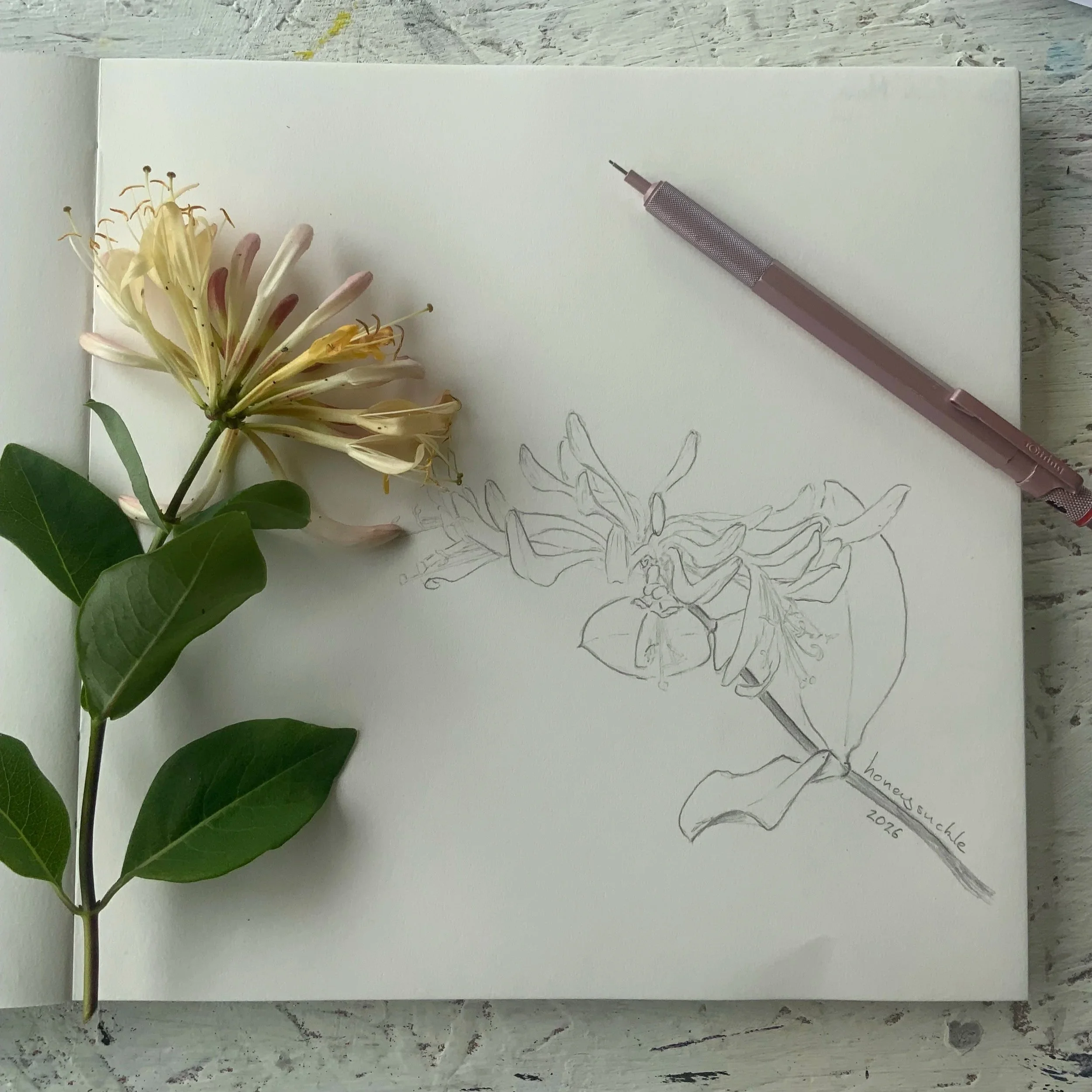
You don’t need any special equipment to start a nature journal (although you can find a blog post about possible resources here). All you need is something to make marks with, and something to make marks on. A sketchbook that is small enough to carry on a walk is a good idea, and a mechanical pencil removes the need for a sharpener. Dress suitably for the weather, and bring a drink and snacks if you are going to be out for a little while. If the ground is damp, something to sit on will also be helpful.
Why try nature journalling?
There are all sorts of reasons to start a nature journal. Historically, journaling observations has been a way for naturalists to learn more and record their knowledge about what they have seen. John Muir Laws, a prominent contemporary nature journaler, encourages the asking of questions whilst journaling, and then using more journaling to answer those questions. You may wish to use your journal to: improve your drawing skills, to monitor the species in an area, track seasonal changes, learn more about the natural world, or all of these at once!
How to start?
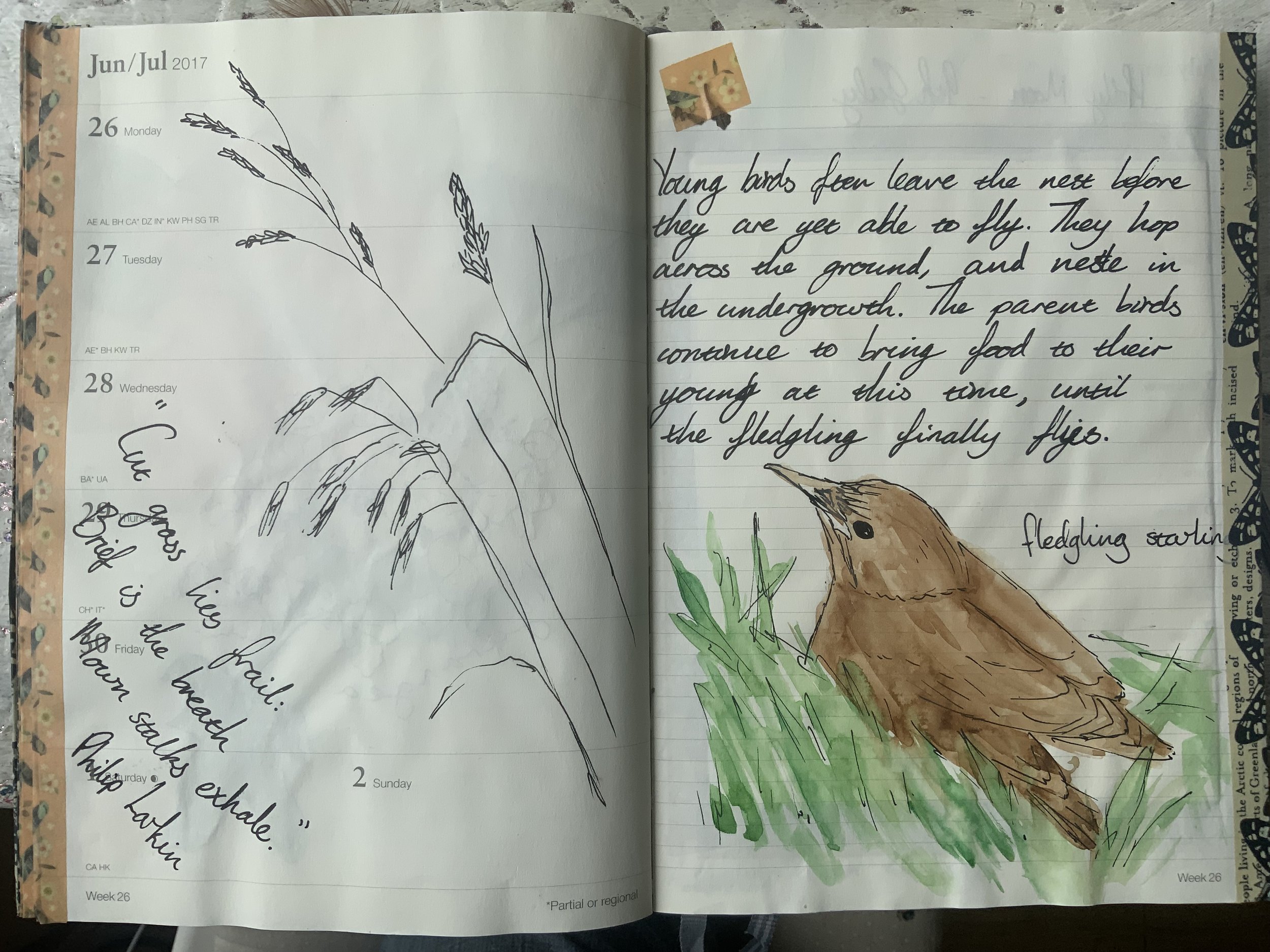
This is as simple as going outside, and recording what you see. You can use words, sketches, and diagrams. You could use only pencil or pen, or add colour with paints, take photographs and stick them in, collect and attach small specimens, make lists, write a poem… the options are endless!
I’d like to include this final explanation of what nature journaling is, coined by Alex Boon, who you can find online here.